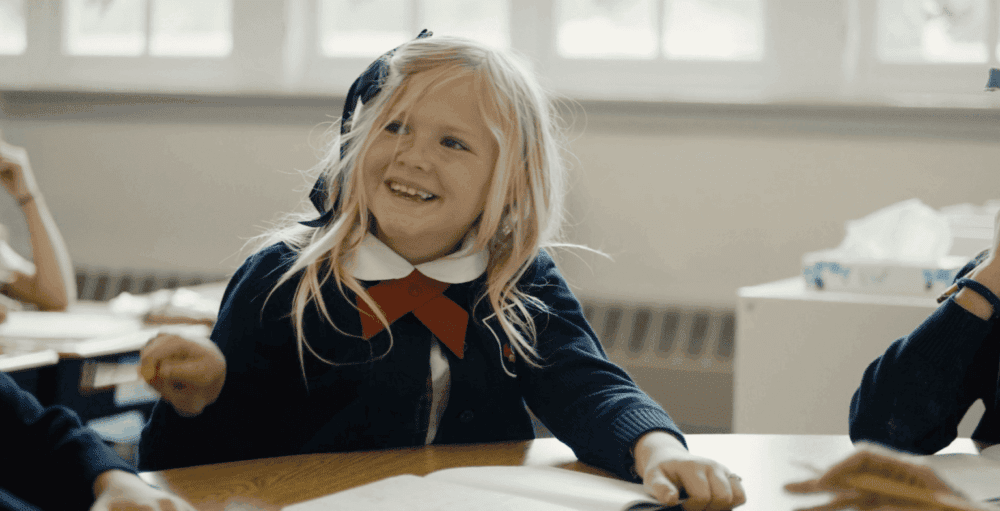
The choice that shapes more than academics
Choosing a school is not just about where your child will spend the next nine months. It is about who they will become in the years that follow.
As parents, we feel the weight of that decision. We want a place where our child is known, challenged, protected, and genuinely loved. A place that strengthens character while cultivating curiosity. A place that does not rush childhood, but forms it with purpose.
If you have been searching for a private school and wondering what truly matters, this guide will help you evaluate options clearly and confidently.
Begin with clarity about your child and your family priorities
Private schools can look impressive on paper, but the best fit is personal. Before you compare campuses, write down what success looks like for your child this year and over the next few years.
A quick “fit” checklist to start with
Academic needs
Does your child need more challenge, more support, or a steadier pace?
Do they learn best through discussion, repetition, hands-on practice, or clear structure?
Social and emotional needs
Does your child need help building confidence, friendships, or resilience?
Do they do well in busy environments, or thrive when the classroom is calm and orderly?
Formation and values
What character traits do you want reinforced daily: diligence, humility, courage, kindness?
Does faith and worldview matter to your family’s decision, and if so, how should it show up at school?
When you know what you are looking for, school visits become clearer and less overwhelming.
What to look for when comparing private schools
Every school can list its programs. Every website can promise excellence. The difference is found in the day-to-day experience: the culture, the expectations, the relationships, and the formation that happens when no one is watching.
Use the areas below as your evaluation framework. Take notes during tours so you can compare schools fairly.
1) Start with your child, not the marketing
Before comparing schools, clarify what your child needs most right now.
Consider questions like:
Does my child thrive with structure, or need help building it?
Do they need more academic challenge, or more confidence?
Are they motivated by competition, community, or creativity?
Do they need smaller class sizes and more personal attention?
The right private school is the one that supports your child’s growth, not just their performance.
2) Look for a philosophy that educates the whole child
A strong private school is more than a place to learn information. It is a place where children are formed: intellectually, socially, emotionally, and spiritually.
Ask what the school believes about childhood, discipline, and learning. The answers will reveal whether the school is building students who can think clearly, act wisely, and lead with character.
Tour tip
Listen for specific language about how teachers teach, how the school supports students when they struggle, and what the school celebrates as success. Vague promises are easy. Clear practice is meaningful.
3) Evaluate academic rigor and how it is delivered
Rigor is not the same thing as pressure. The best private schools create meaningful challenges with real support.
Look for signs of healthy rigor:
- Clear expectations and consistent instruction
- A curriculum that builds skills step by step
- Teachers who give feedback that is specific and encouraging
- Students who can explain what they are learning and why it matters
When academics are paired with strong mentorship, students rise to meet the challenge instead of feeling crushed by it.
Questions to ask
- How do you assess reading and math progress over the year?
- What does support look like if a student falls behind or needs enrichment?
- How do teachers communicate progress to parents, and how often?
4) Pay attention to classroom culture and relationships
Curriculum matters, but culture shapes the child.
Visit classrooms. Watch how teachers speak to students. Notice whether students feel safe to ask questions and make mistakes. Look for warmth, order, and a sense of joyful seriousness.
A healthy classroom culture often includes:
- Respectful, attentive students
- Teachers who know students personally
- Clear boundaries with consistent follow-through
- A calm environment that supports focus
Children learn best when they are both secure and stretched.
5) Ask how the school forms character
Private education should do more than prepare students for the next grade. It should prepare them for life.
Ask how the school teaches and reinforces virtues like honesty, diligence, kindness, courage, and responsibility. These traits are not absorbed automatically. They are practiced daily and modeled by adults who take formation seriously.
Look for a school where discipline is purposeful, not reactive, where correction restores and strengthens rather than shames.
6) Consider the role of faith, worldview, and meaning
For many families, the deepest question is not only “Will my child succeed?” but “What will my child believe is worth living for?”
If faith matters to your family, ask how the school integrates truth, goodness, and beauty into the learning process. A school’s worldview shapes everything: how it defines human dignity, how it handles conflict, and what it celebrates.
7) Look beyond programs to practical details that affect daily life
Some factors are easy to overlook, but they strongly influence whether a school is truly a fit.
Ask about:
- Class size and student-to-teacher ratio
- Communication between teachers and parents
- Homework expectations by grade level
- Safety procedures and campus environment
- Opportunities for enrichment (art, music, languages, PE)
- Family, community, and parent partnership
The goal is not perfection. It is alignment with what your family values and what your child needs.
How to compare schools after you tour
Tours can blur together, especially when you visit multiple schools in a short time. A simple comparison approach helps you make a calm decision.
Use three headings: must have, nice to have, not for us
After each visit, write down what you learned under these headings. This prevents you from being swayed by one impressive feature while missing what matters most.
Watch for red flags that are easy to miss
Pay attention if expectations feel unclear, communication seems vague, or the school cannot explain how it supports students who struggle.
What is possible when the fit is right
The right private school gives your child more than strong academics.
It gives them the confidence that comes from being seen. The discipline that comes from consistent expectations. The curiosity that comes from learning that feels alive. The character that comes from practicing virtue every day.
At Carden Memorial School, we believe education should cultivate the whole child, mind, body, and character, with intentional structure, meaningful challenge, and a culture of respect. We want students who not only achieve, but flourish.
Take the next step
If you are exploring private school options and want a school experience rooted in purpose and formation, we invite you to learn more about Carden Memorial School.
Schedule a tour, ask questions, and see the culture for yourself. The right school choice should not feel like a gamble. It should feel like a confident next step.